
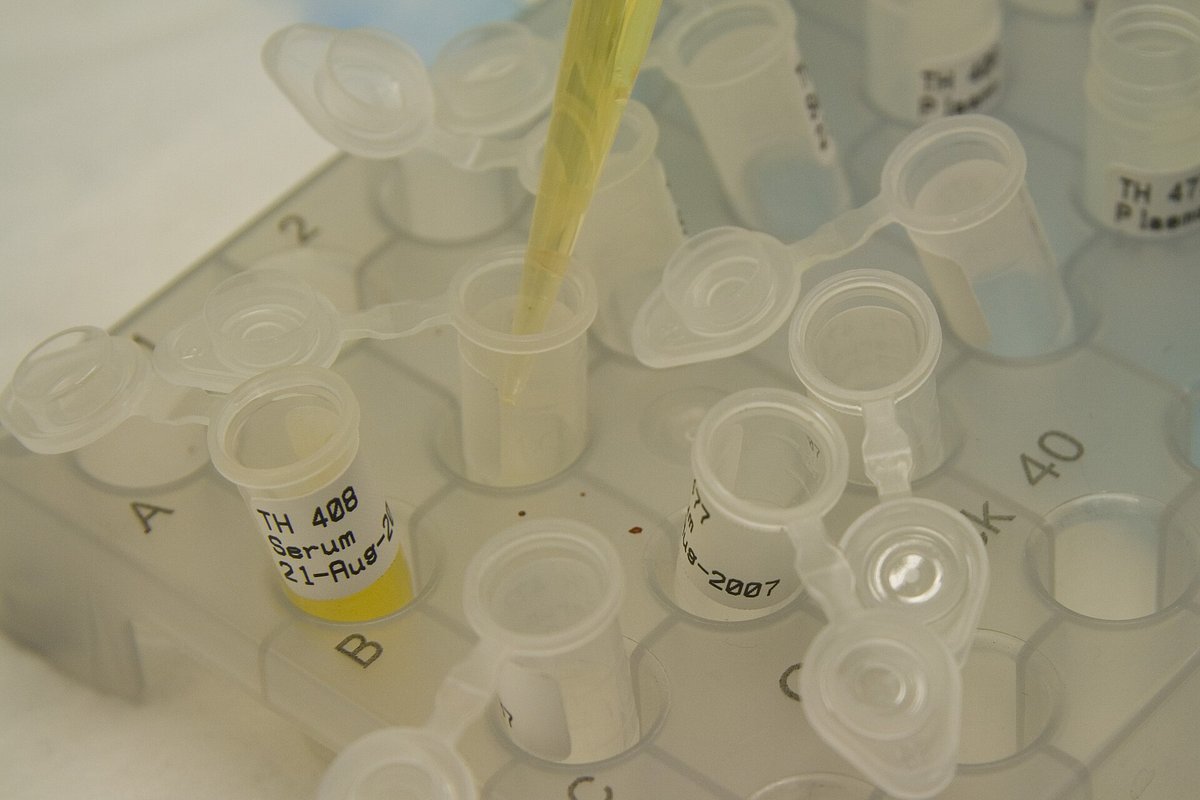
The O-Shot is a procedure in which platelet-rich plasma (PRP), prepared from the patient’s own blood, is injected into selected areas of the vaginal wall and clitoral region. It is applied with the aim of supporting vaginal comfort, natural lubrication and sensitivity; it is not a treatment that guarantees these outcomes.
Important to know before you consider it
- Vaginal PRP is not a scientifically established treatment. Research on it is still developing.
- It is not included in clinical guidelines and has not entered routine, evidence-based practice.
- It is not applied to every patient. It is a treatment option considered only for a very limited group of patients, after the physician and the patient evaluate it together.
- Mild stress urinary leakage (small leaks when coughing or sneezing): in our clinic’s experience, carefully selected women with mild leaking have benefited from it. Guideline-level evidence for this use is not yet available, and the result is not guaranteed. Leaking urine is always assessed by examination first; our physicians decide after the examination whether it is suitable.
- No result can be guaranteed; the response differs from woman to woman.
Who it may be considered for
Our physicians apply it only in selected cases where, after examination, they expect it may be of benefit.
- Women with vaginal dryness or discomfort, especially after menopause, who want to consider a non-surgical option after hearing the alternatives
- Women with mild stress urinary leakage that has been assessed by examination
It is not applied in: pregnancy, active genital infection, bleeding or clotting disorders, platelet disorders, active cancer in the area, or while taking blood thinners (do not stop your medicine on your own — tell us at your assessment).
Alternatives
Before any decision, you are informed about the alternatives to this treatment. For vaginal dryness and discomfort, first-line options include vaginal moisturisers and lubricants, local vaginal oestrogen where medically suitable, and pelvic floor exercises. Choosing not to have any treatment is also an option.
The procedure
A blood sample is taken and processed to obtain PRP. After a topical anaesthetic is applied, the PRP is injected into the selected areas. Preparing the PRP takes about 45 minutes to 1 hour; the injection itself takes about 15 minutes, usually after a numbing cream. A break from sexual intercourse of 7–10 days is recommended; your physician will tell you about any other activities to pause.
No general anaesthesia is used, and you can return to your daily routine the same day.
Possible side effects
Temporary pain or discomfort at the injection sites, swelling, bruising or slight bleeding may occur; infection is rare. Using your own plasma does not remove these risks. All risks are discussed in detail at your consultation.
Expectations
If an effect occurs, it develops gradually over several weeks. Whether a further session is appropriate is decided individually; repeat treatment is not routine.
Where there is a structural problem, it does not replace surgical correction. How long any effect lasts cannot be promised.
Results may vary from person to person in every surgical or interventional procedure. It is recommended that you obtain a detailed opinion from your physician before the procedure.
Last updated: 30 October 2026
Prices
- €390
Our medical prices are fixed; your exact, all-inclusive price is confirmed in writing after your consultation. See our full price list →
Contact UCARER Women’s Health to book your consultation.