
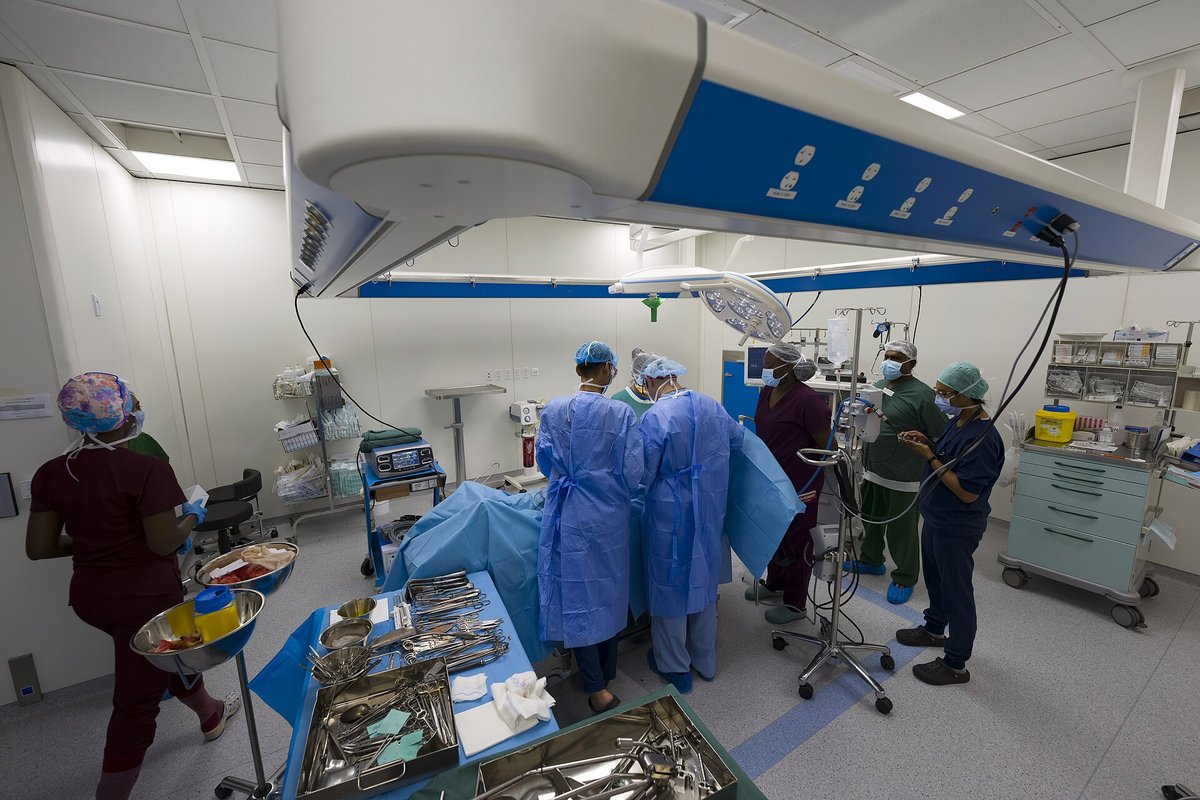
Hysterectomy is the surgical removal of the uterus. It may be recommended for severe fibroids, adenomyosis, persistent abnormal bleeding, pelvic organ prolapse, or certain malignancies, when other treatments have not provided relief. Several surgical approaches are available, and the technique is selected based on the underlying condition, anatomy, and patient preference.
Important Information
- Approaches include vaginal, laparoscopic (TLH), and abdominal — minimally invasive options are preferred when feasible.
- Total hysterectomy removes the uterus and cervix; subtotal preserves the cervix; radical hysterectomy is performed for malignancies.
- Removal of the ovaries is decided separately based on age, indication, and individual risk factors.
- After hysterectomy, menstruation stops permanently; if ovaries are preserved, hormonal balance and natural menopause continue.
Our Approach
Dr. Muzaffer favors minimally invasive techniques and ovary-preserving strategies whenever clinically appropriate, prioritizing recovery time and long-term hormonal health.
Prices
- Abdominal — €4,500–5,500
- Vaginal — €5,500–6,000
- Laparoscopic — €6,000–7,500
- Vaginal + cystocele repair — €6,500–7,500
- Vaginal + rectocele repair — €6,500–7,500
- Vaginal + cystocele + rectocele repair — €8,000
Surgical prices include consultation, anesthesia, pre-operative tests and the procedure.
Our medical prices are fixed; your exact, all-inclusive price is confirmed in writing after your consultation. See our full price list →
Contact UCARER Women’s Health to book your consultation with Assist. Prof. Dr. Muzaffer Uçarer.