
Skip to content
Colposcopy
Gynecology

Colposcopy

Specialist physician: Assist. Prof. Dr. Muzaffer Uçarer — Obstetrics & Gynaecology · IVF and Reproductive Medicine  ·  Last updated: June 2026
This page provides general information and does not replace a medical consultation. Please consult your physician about your individual situation.

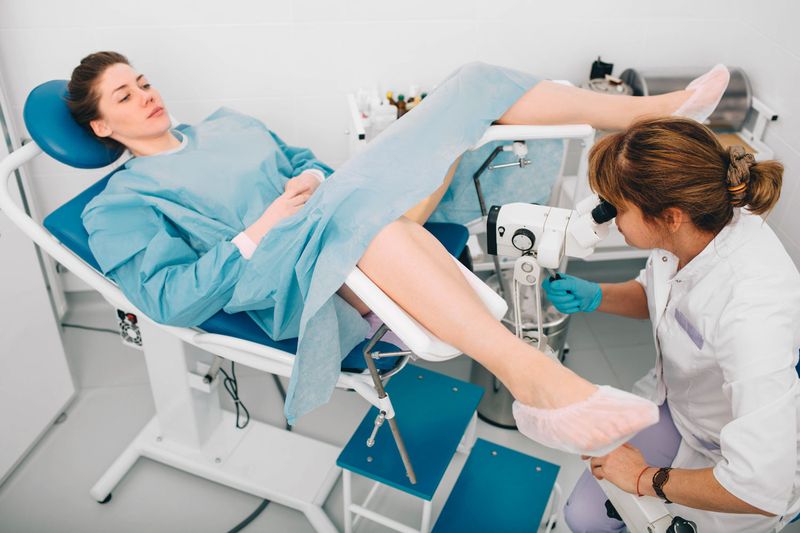
A colposcopy is a procedure in which a special instrument examines the cervix. It is typically performed following abnormal smear test results to determine if additional treatment is necessary to remove abnormal cells.

Reasons for Colposcopy

The procedure may be recommended if abnormal cells are detected during routine screening, smear results are inconclusive, unusual findings appear during examination, or symptoms such as abnormal bleeding occur. An abnormal result requires investigation to identify the underlying cause and appropriate treatment.

What to Expect

During the procedure, a speculum is used to access the vagina, similar to a standard smear test. A special microscope called a colposcope is positioned to view the cervix without touching the body. The doctor may apply a special liquid to highlight abnormal cells and may take a biopsy sample for laboratory analysis. The examination typically lasts 15-20 minutes.

Outcomes

Results determine whether additional testing or treatment is needed. Abnormal cells can often be removed during the procedure using local anesthesia, though larger areas may require surgery. Experienced gynecological specialists provide recommendations and perform necessary removal procedures.

Contact UCARER Women’s Health to book your consultation with Assist. Prof. Dr. Muzaffer Uçarer.

Explore More

Gynecology

Abortion

Abortion is a term used to describe the removal of tissues from inside the uterus. While commonly understood as pregnancy termination, it serves multiple medical purposes.

Learn More — Abortion

Frequently Asked Questions

Common Questions

Colposcopy is recommended after an abnormal cervical smear result — typically moderate or high-grade dyskaryosis, persistent low-grade changes, or a positive high-risk HPV test. It is a precautionary investigation, not a sign of cancer.

A speculum is used to view the cervix through a colposcope (a magnifying camera that does not enter the body). Mild solutions (acetic acid and Lugol's iodine) are applied to highlight any abnormal areas. The procedure takes 15–20 minutes.

Not always. If the colposcopy looks normal, biopsy may not be needed. If abnormal areas are identified, small biopsy samples are taken for laboratory analysis. A biopsy causes brief sharp discomfort — most patients manage it very well.

Histology results are usually available within 2–4 weeks. Your results are communicated clearly, along with any recommended further steps — whether monitoring, treatment, or discharge back to routine screening.

Yes. Colposcopy can be safely performed in pregnancy to assess an abnormal smear. Treatment of any cervical changes is usually deferred until after delivery, as most lesions do not progress rapidly and pregnancy itself does not worsen outcomes.

Book Your Appointment Today

We provide a comfortable environment where you can consult us with all your problems in the field of Obstetrics, Gynecology and IVF Treatment.

Book Now Chat on WhatsApp