
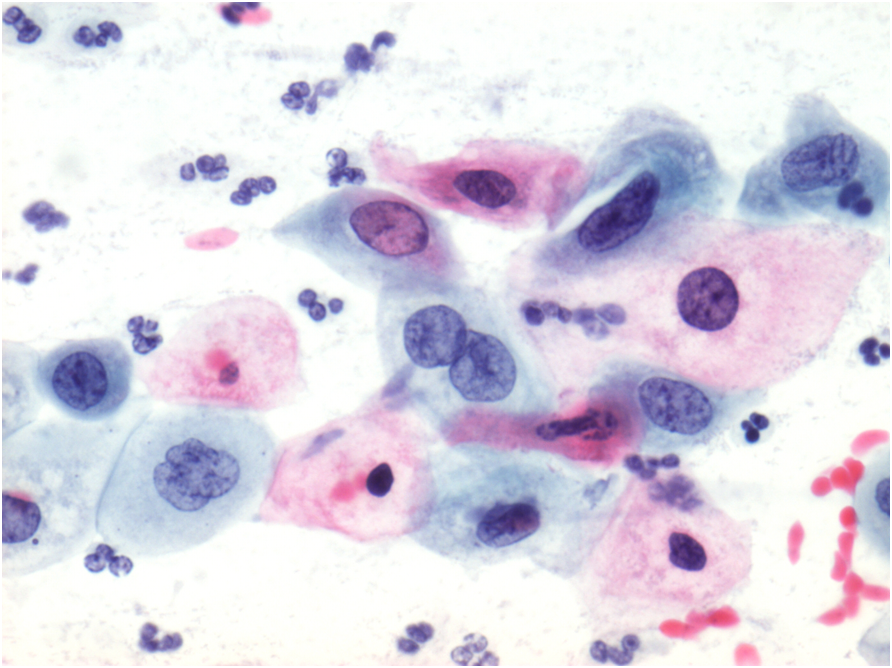
Cervical cancer is one of the most preventable cancers. Regular screening finds changes in the cervix early — long before cancer develops — so they can be watched or treated. This page explains, in plain language, what a Pap smear and an HPV test are, who should be screened and how often, and what a “co-test” means. Guidance here follows the American College of Obstetricians and Gynecologists (ACOG), the American Society for Colposcopy and Cervical Pathology (ASCCP) and the Royal College of Obstetricians and Gynaecologists (RCOG).
What is a Pap smear (cervical smear)?
A Pap smear — also called cervical cytology — is a quick test in which your gynecologist gently collects a small sample of cells from the surface of the cervix (the neck of the womb). The sample is examined in a laboratory for abnormal cells that could, over years, turn into cancer if left untreated. The test takes a few minutes and is usually only mildly uncomfortable.
Who should be screened, and at what age and interval?
Screening is recommended for people with a cervix, usually starting between ages 21 and 25 depending on the guideline your physician follows:
- Ages 21–29: a Pap smear (cytology) every 3 years.
- Ages 30–65: the preferred options are a primary HPV test every 5 years, or a co-test (Pap + HPV together) every 5 years, or a Pap smear alone every 3 years.
- Over 65: screening can usually stop if you have a history of adequate normal results and no high-risk findings.
- After a total hysterectomy (uterus and cervix removed) for non-cancerous reasons, routine screening is usually no longer needed.
Your own schedule may differ if you have a weakened immune system, a previous abnormal result, or other risk factors — your gynecologist will advise the right interval for you.
What is the HPV test, and why do oncogenic types matter?
Almost all cervical cancer is caused by long-lasting infection with high-risk (oncogenic) types of the human papillomavirus (HPV). The HPV test looks for the genetic material of these high-risk types in a cervical sample. There are about 14 high-risk HPV types; two of them — HPV 16 and HPV 18 — cause roughly 70% of all cervical cancers. Most HPV infections clear on their own, but a persistent high-risk infection is the warning sign that screening is designed to catch.
What is co-testing, and how often is it needed?
A co-test means the Pap smear and the HPV test are done together on the same sample. It gives your physician two pieces of information at once — whether high-risk HPV is present, and whether any cell changes are already visible. For most women aged 30–65, when both results are normal, co-testing is repeated every 5 years. This longer, safe interval is possible precisely because the two tests together are so reliable at ruling out significant risk.
Do I still need screening if I have had the HPV vaccine?
Yes. The HPV vaccine protects against the types that cause most — but not all — cervical cancers, and it works best when given before any exposure. Vaccinated women should continue routine screening on the same schedule as everyone else. You can read more on our HPV test and HPV vaccination page, and see all fees on our price list.
Frequently asked questions
Does a Pap smear hurt? Most women feel only brief, mild pressure. It takes just a few minutes and does not require anesthesia.
When in my cycle should I have the test? Ideally not during your period. Mid-cycle is fine. Avoid vaginal creams, douching or intercourse for about 24–48 hours beforehand, as these can affect the sample.
What if my result is abnormal? An abnormal result rarely means cancer. It usually means some cells need a closer look — often with a colposcopy — or a repeat test after a set interval. Your gynecologist will explain the next step.
Is the HPV test better than the Pap smear? For women aged 30 and over, HPV testing (alone or as a co-test) detects risk earlier and allows safe 5-year intervals. Under 30, cytology is preferred because temporary HPV infections are very common and usually harmless at that age.
I have no symptoms — do I still need screening? Yes. Early cervical cell changes cause no symptoms at all. Screening is what finds them before they ever become a problem.
Sources: ACOG, ASCCP, RCOG, WHO. This page is for general education and does not replace a medical consultation. Reviewed by Assist. Prof. Dr. Muzaffer Uçarer (Obstetrics & Gynaecology), UCARER Women’s Health, Istanbul.
Prices
- Cervical smear (Pap) test — €100
- HPV test — €200
- Co-test (HPV + Pap together) — €250
Our medical prices are fixed; your exact, all-inclusive price is confirmed in writing after your consultation. See our full price list →
Contact UCARER Women’s Health to book your consultation with Assist. Prof. Dr. Muzaffer Uçarer.