
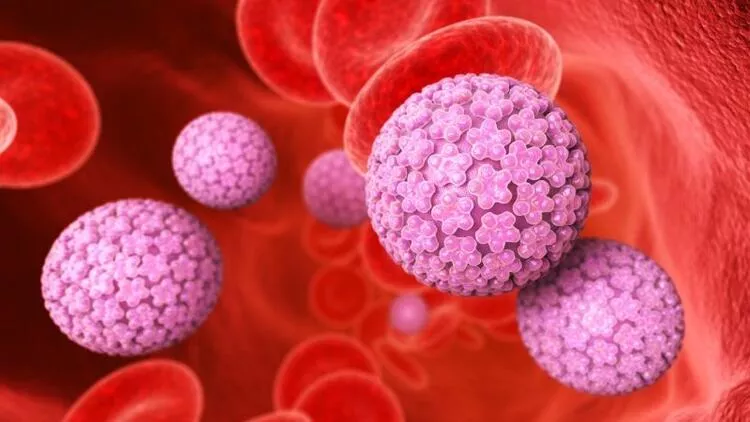
What is Human Papillomavirus?
Human papillomavirus (HPV) comprises a group of 100 related viruses or more. Approximately 40 sexually transmitted varieties spread through genital contact, skin, and mucous membrane exposure during sexual activity.
Transmission
About half of sexually active individuals contract HPV. The virus affects both genders, with higher risk for those with multiple partners or early sexual activity. Many infected persons remain asymptomatic while transmitting the virus unknowingly.
Health Risks
Certain HPV types elevate cancer risk in cervical, vaginal, and anal tissues. Other strains produce genital warts — small pink, red, or flesh-colored growths on or near genitals that transmit easily through sexual contact.
Prevention Methods
- Vaccination: Available for ages 11-12, with catch-up options through age 26
- Safe practices: Condom use and limiting sexual partners
- Vaccines available: Gardasil and Cervarix protect against cancer-causing HPV types and genital warts
The HPV vaccine is considered effective for reducing infection risk across populations. Preventive care and regular screening are essential components of HPV management.
The 9-valent HPV vaccine (Gardasil 9)
Today’s HPV vaccine is the 9-valent vaccine, Gardasil 9. It protects against nine HPV types: the low-risk types 6 and 11 (which cause most genital warts) and the seven high-risk types 16, 18, 31, 33, 45, 52 and 58, which together are responsible for the great majority of cervical and other HPV-related cancers. It replaces the older 2-valent and 4-valent vaccines and gives broader protection.
Who should be vaccinated, and at what age?
The vaccine is approved for people aged 9 to 45.
- Routine age: 11–12 years (it can begin as early as 9). Vaccinating before any exposure to HPV gives the strongest protection.
- Catch-up: recommended through age 26 for anyone not fully vaccinated earlier.
- Ages 27–45: vaccination is not routine but may still be worthwhile — this is a shared decision to make with your doctor, based on your individual risk.
How many doses are needed?
- Started before the 15th birthday: 2 doses, given 6–12 months apart.
- Started at 15 or older, or with a weakened immune system: 3 doses, over 6 months (at 0, 1–2 and 6 months).
I had an HPV vaccine as a child — do I need the 9-valent one now?
If you completed an earlier (2-valent or 4-valent) HPV vaccine series in childhood, routine revaccination with the 9-valent vaccine is not generally recommended. Whether an extra course adds meaningful benefit is an individual decision — your doctor can advise based on your history and risk.
Vaccinated women still need cervical screening
The vaccine prevents most, but not all, cancer-causing HPV infections. Vaccinated women should continue regular Pap smears and HPV testing on the normal schedule. See our Pap smear, HPV test and co-test page for screening ages and intervals.
Prices
- HPV test — €200
- Co-test (HPV + Pap together) — €250
- HPV vaccination — €110 per dose; full immunization needs 3 doses on a 0-2-6 month schedule (total €330)
Our medical prices are fixed; your exact, all-inclusive price is confirmed in writing after your consultation. See our full price list →
Contact UCARER Women’s Health to book your consultation with Assist. Prof. Dr. Muzaffer Uçarer.