
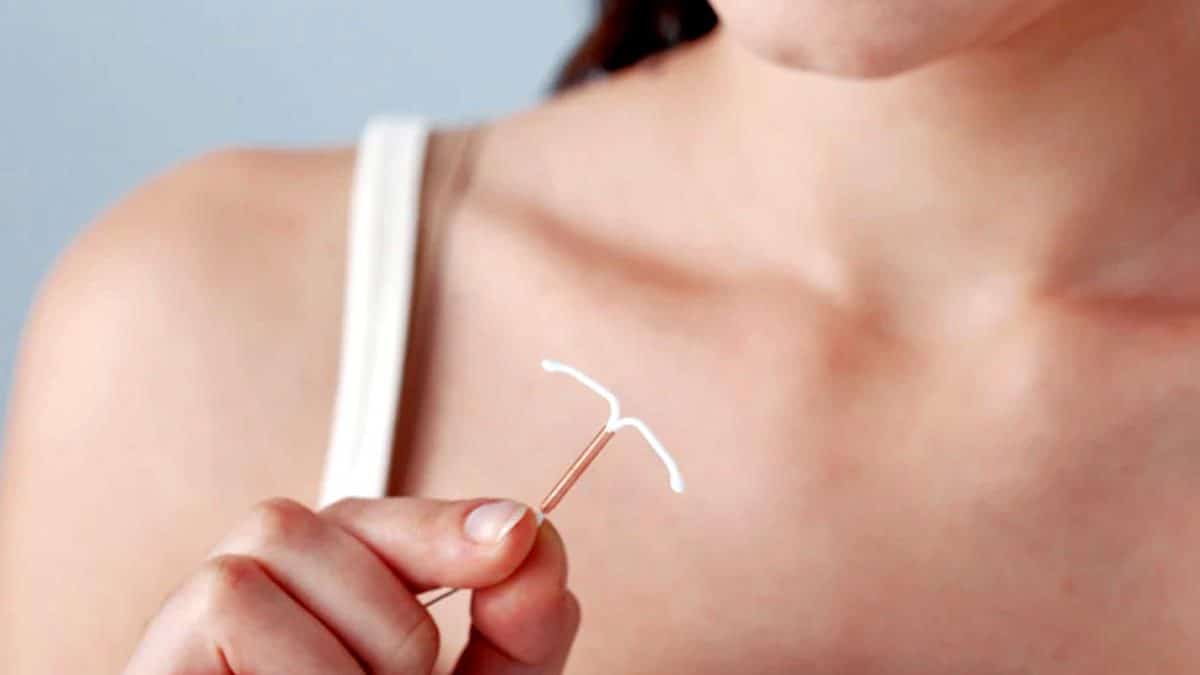
The contraceptive coil is one of the most reliable and convenient forms of long-term contraception. It is an excellent choice for women who want effective protection without the need to think about it on a daily basis.
What is a Contraceptive Coil?
The contraceptive coil is a small T-shaped device inserted into the uterus. Two types are available: the Intrauterine Device (IUD) — the copper coil, which prevents fertilisation by making the uterine environment hostile to sperm and eggs — and the Intrauterine System (IUS) — the hormonal coil, which releases progestogen to prevent pregnancy in a similar way to the contraceptive pill.
Why Choose the Coil?
Both types share the same core benefits: no daily pill to remember, no interruption to intimacy, over 99% effectiveness, and protection lasting 5–10 years. The device can be removed at any time by your gynaecologist, with fertility returning quickly.
What to Expect During the Procedure
The coil is fitted by Assist. Prof. Dr. Muzaffer Uçarer in a short appointment of approximately 15 minutes at UCARER Women’s Health. Before insertion, an internal pelvic examination confirms uterine position. A speculum is used to access the cervix and the coil is guided into place. Mild discomfort is common and can be managed with painkillers taken beforehand.
After Insertion
A follow-up appointment is recommended 3–6 weeks later to confirm correct placement. Copper coil users may initially notice heavier or more irregular periods; hormonal coil users typically experience lighter periods over time.
IUD Models We Offer — Comparison
The main hormone-free (copper-based) IUD models we fit at our clinic are listed below. The right model for you depends on your uterine anatomy, menstrual pattern and preferences, and is decided together at your consultation.
| Model | Design | Duration of use | Key feature |
|---|---|---|---|
| Classic Copper-T | Copper wire on a T-shaped frame | Up to 10 years | Long-established standard model |
| Multiload | Body with flexible side arms | About 5 years | Flexible arms adapt to the shape of the uterus |
| Ballerine (ball) | Frameless sphere of copper beads | About 5 years | No rigid frame; spherical form designed to resist displacement |
| Gold IUD | Copper wire with a gold core | 5–10 years depending on product | Gold core reduces copper corrosion |
| GyneFix | Frameless; copper sleeves on a thread anchored to the uterine wall | About 5 years | Suitable even for smaller uterine cavities |
You can find current prices on our price list page.
Alternative: Subdermal Contraceptive Implant (Nexplanon)
If you would prefer not to have an intrauterine device, another long-acting option is the matchstick-sized Nexplanon implant. It is placed under the skin of the upper arm in minutes under local anaesthesia; unlike copper IUDs it is a hormonal method (etonogestrel) and protects for up to 3 years, with fertility returning quickly after removal. See our contraception services page for details.
Prices
- Copper-T coil (IUD), fitted — €250
- Multiload coil, fitted — €300
- Gold / Balerin / GyneFix coil, fitted — €400
- Mirena hormonal IUS, fitted — €400
- Insertion only (device provided by patient) — €200
Our medical prices are fixed; your exact, all-inclusive price is confirmed in writing after your consultation. See our full price list →
Contact UCARER Women’s Health to book your consultation with Assist. Prof. Dr. Muzaffer Uçarer.