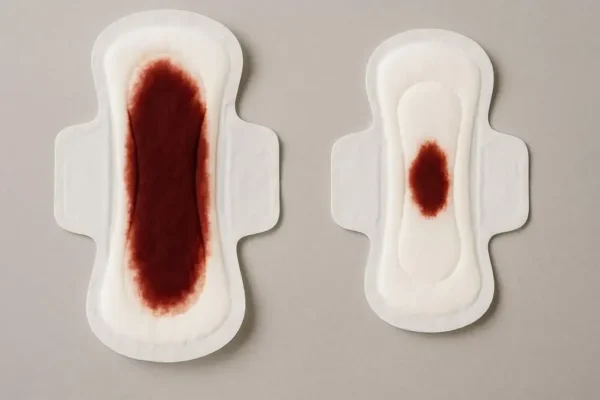
Heavy Periods (Menorrhagia)
Heavy periods can significantly impact quality of life and may indicate an underlying condition requiring medical attention. Treatment can help...
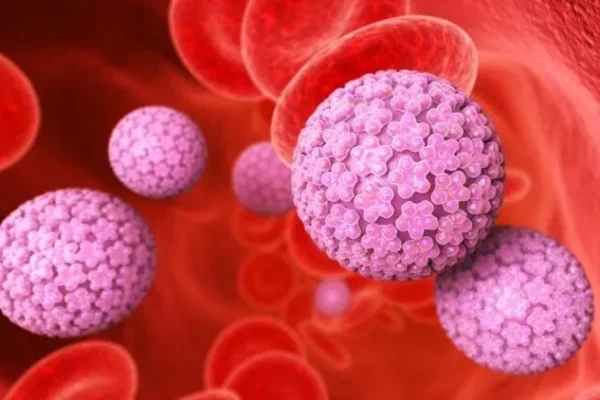
Human papillomavirus (HPV) comprises a group of 100 related viruses or more. Approximately 40 sexually transmitted varieties spread through genital...
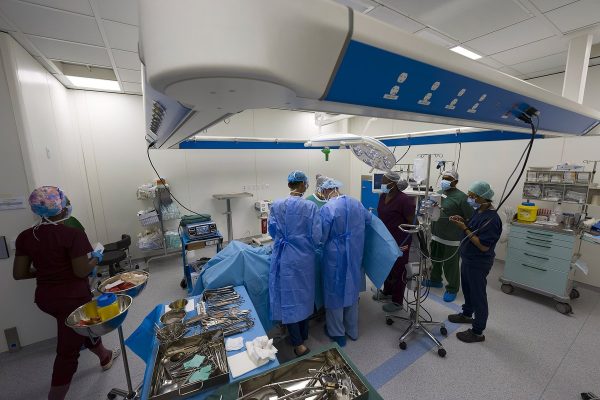
Hysterectomy is the surgical removal of the uterus. It may be recommended for severe fibroids, adenomyosis, persistent abnormal bleeding, pelvic...
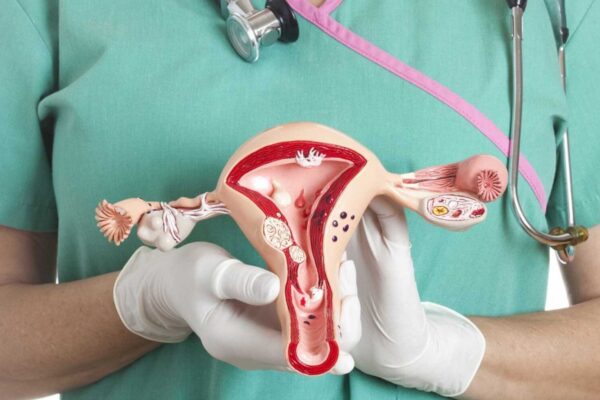
A hysteroscopy is a procedure that uses a special camera to examine your uterus. The procedure typically requires less than...
Menopause is a natural biological transition, defined as when menstrual periods stop permanently. It typically occurs between ages 49-52.
Nabothian cysts are common, harmless mucus-filled cysts on the cervix. What causes them, whether they are dangerous, when they need...
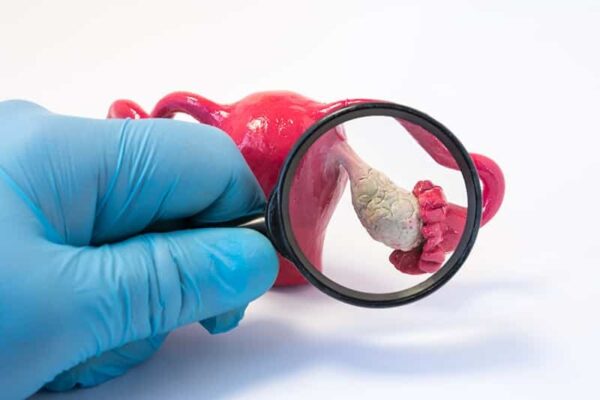
A cyst is a small, fluid-filled sac that can develop on your ovary. Although ovarian cysts are usually harmless, you...
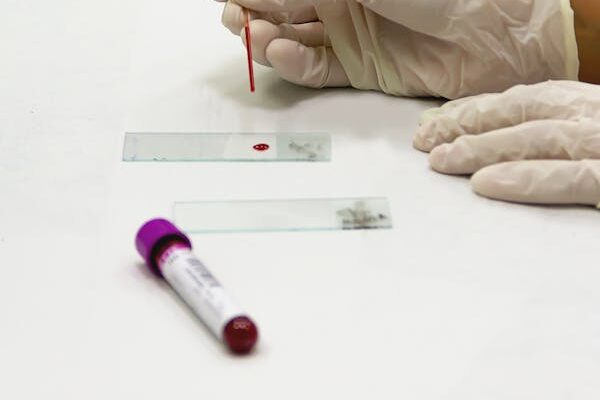
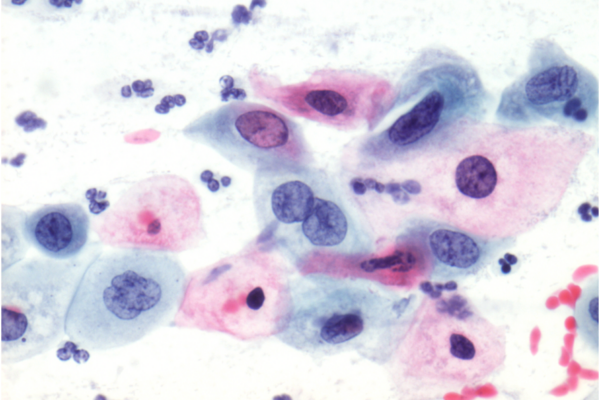
Cervical cancer screening explained: what a Pap smear and HPV test are, who should be screened, at which ages and...
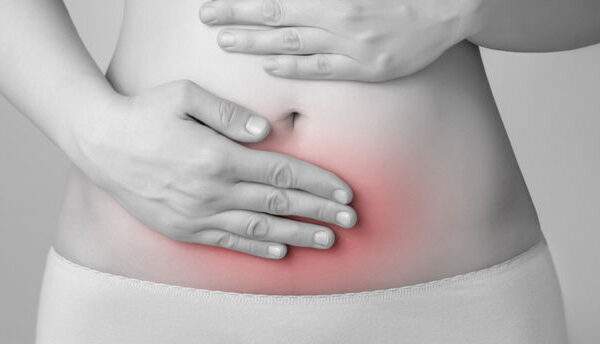
Pelvic pain represents a frequent gynecological symptom with multiple potential underlying causes. The medical team specializes in identifying and treating...
A pelvic infection affects the upper reproductive system, including the uterus, ovaries, and fallopian tubes. Untreated pelvic inflammatory disease (PID)...
Bleeding after the menopause is common, but it should always be investigated by a doctor. Although many cases involve minor...
Polycystic ovary syndrome (PCOS) occurs when fluid-filled sacs form in the ovaries due to follicles failing to develop properly. The...
We use cookies to measure traffic and improve your experience. You decide what we may use. Privacy & Cookies