
Specialist physician: Assist. Prof. Dr. Muzaffer Uçarer — Obstetrics & Gynaecology · IVF and Reproductive Medicine · Last updated: September 2026
This page provides general information and does not replace a medical consultation. Please consult your physician about your individual situation.
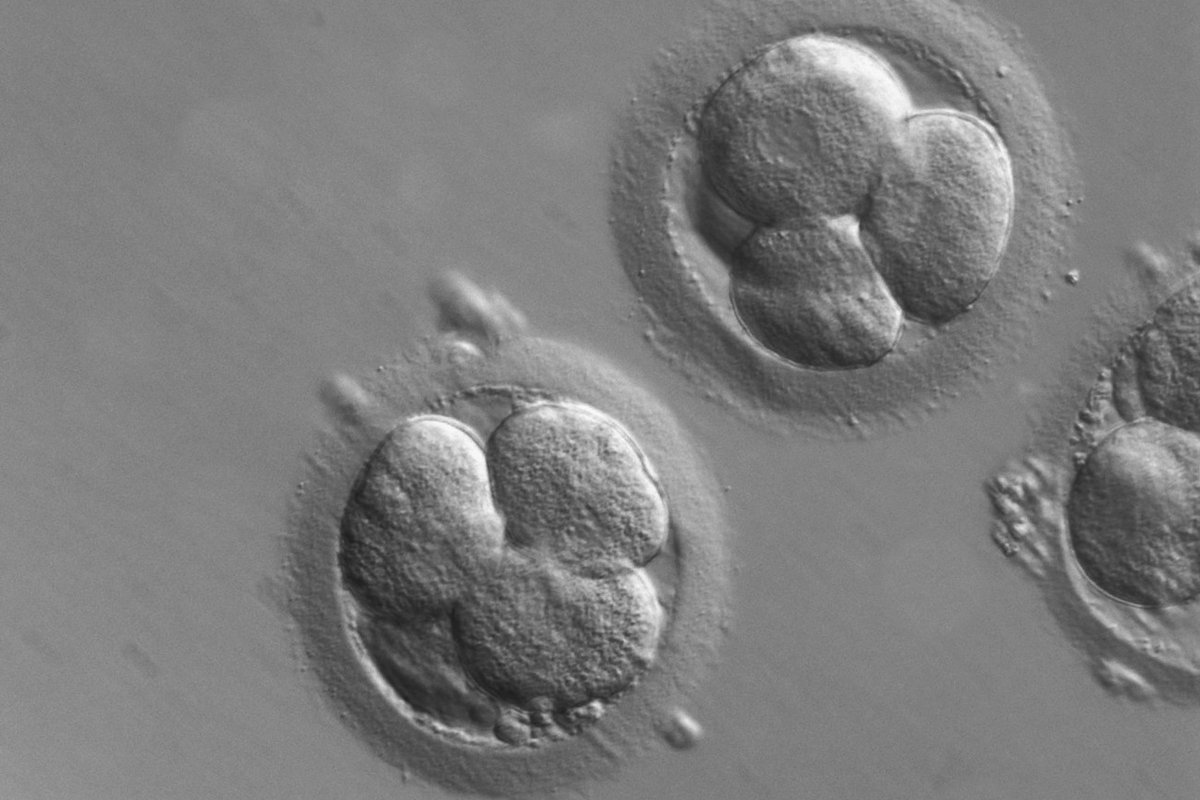
Embryo biopsy is the laboratory technique used to obtain a small number of cells from a developing embryo for genetic analysis before transfer. It enables Preimplantation Genetic Testing (PGT), which screens embryos for chromosomal abnormalities or specific inherited conditions, helping select healthy embryos for transfer.
Important Information
- PGT-A screens for chromosomal abnormalities (aneuploidies); PGT-M tests for specific monogenic diseases; PGT-SR detects structural rearrangements.
- Indications include advanced maternal age, recurrent miscarriage, recurrent IVF failure, and known genetic carrier status.
- Biopsy is typically performed on day 5–6 blastocysts (trophectoderm biopsy); embryos are then vitrified pending results.
- Results are usually available in 10–14 days; transfer occurs in a subsequent frozen cycle (FET).
Our Approach
Dr. Muzaffer recommends embryo biopsy based on clinical indication, providing balanced counseling about its benefits and limitations rather than as a routine add-on.
Prices
- €440
Our medical prices are fixed; your exact, all-inclusive price is confirmed in writing after your consultation. See our full price list →
Contact UCARER Women’s Health to book your consultation with Assist. Prof. Dr. Muzaffer Uçarer.